
ANKARA — Leaders from the 32 member states of the North Atlantic Treaty Organization (NATO) are gathering at the Beştepe Presidential Compound in Ankara, Türkiye, for a highly consequential two-day summit. The 36th NATO summit comes at a pivotal geopolitical moment, marked by immense trans-Atlantic pressure from U.S. President Donald Trump regarding defense budgets and a fracturing global security landscape dominated by the war in Ukraine and the fallout from the conflict involving Iran.
1. Trump Pushes Europe Toward Historic Defense Targets
The dominant narrative heading into the summit is the intense pressure from Washington on European allies to shoulder more of the financial burden for collective defense.
President Donald Trump has repeatedly expressed dissatisfaction on his Truth Social platform regarding the disparity in spending between the U.S. and its European allies. While NATO has historically utilized a 2% GDP defense spending baseline, the alliance is pivoting toward an ambitious 5% defense investment plan.
According to NATO Secretary General Mark Rutte, European allies and Canada are actively stepping up—increasing their core defense investments by over 139 billion USD in nominal terms recently. Some allies are even projected to hit the 5% target ahead of schedule. However, Trump’s unpredictable presence in Ankara keeps the pressure high, with U.S. officials pushing to ensure that Europe’s rearmament benefits American manufacturers and “supercharges” the broader defense industrial base.
2. The Shadow of the Middle East and the Iran Conflict
A primary geopolitical friction point at this summit is the fallout from the conflict with Iran. Following direct military actions earlier this year, a sharp divide has emerged between Washington and its European counterparts over the scope of NATO’s role in the Middle East.
While most European members disagree with expansive U.S. military priorities in the region, the alliance must address the immediate security consequences of the situation:
- The Strait of Hormuz: The final summit declaration is expected to firmly call for the absolute freedom of navigation through the Strait of Hormuz, a critical bottleneck for global energy markets.
- Nuclear Non-Proliferation: Allies will issue a unified warning reiterating that Iran must never be allowed to develop or acquire a nuclear weapon.
3. Sustaining Ukraine Under a New Financial Model
The war in Ukraine remains a cornerstone of NATO’s strategic planning. In Ankara, leaders are working to finalize a 70 billion euro military assistance package for Kyiv.
Unlike previous packages heavily subsidized by Washington, this funding will rely primarily on existing European Union financing and bilateral commitments from European states—a direct nod to the “burden-shifting” demanded by the Trump administration. Ukrainian President Volodymyr Zelenskyy is attending the summit in person to coordinate long-term, predictable military assistance and defense production pipelines.
4. Host Country Türkiye Seeks Strategic Advantages
For President Recep Tayyip Erdoğan, hosting the summit in Ankara provides a powerful platform to showcase Türkiye’s booming domestic defense industry. Parallel to the main political sessions, the NATO Summit Defence Industry Forum is bringing together major defense manufacturers to discuss joint procurement and supply chain integration.
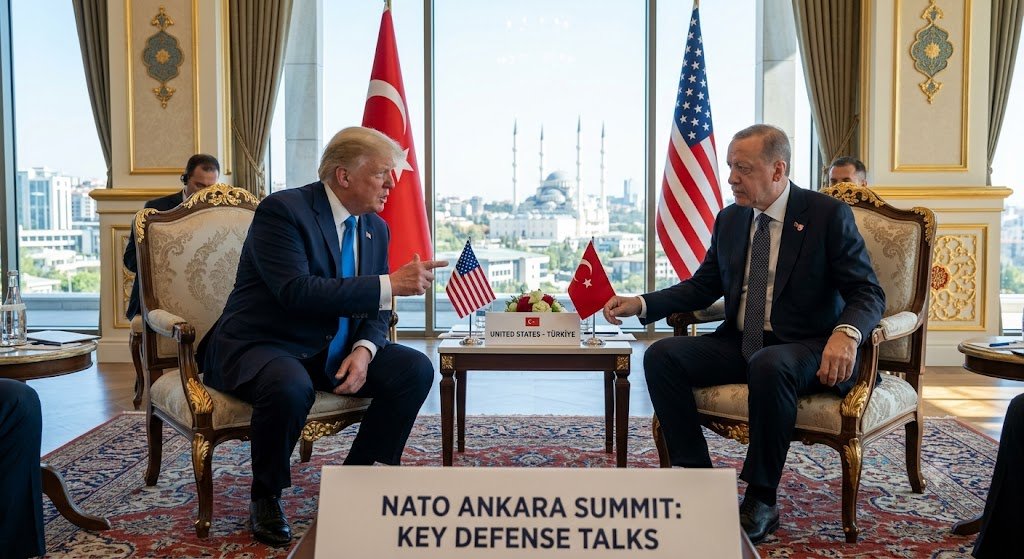
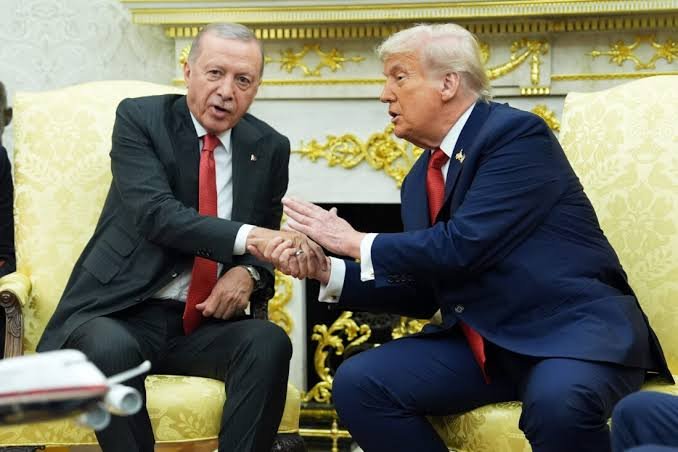
Bilateral talks between Erdoğan and Trump are highly anticipated. Türkiye is expected to leverage its critical role as host to lobby for:
- The complete removal of U.S. defense sanctions.
- Türkiye’s official reinstatement into the high-tech F-35 fighter jet program.
- Expanded defense production partnerships, including potential long-range missile cooperation with European allies like Germany.
The Big Picture: The 2026 Ankara Summit is far more than a routine annual gathering. It represents a fundamental test of whether NATO can successfully transition into an era where Europe takes primary ownership of its territorial defense, all while keeping a fragile trans-Atlantic alliance united in the face of rising threats from Eastern Europe to the Middle East.
Key Information for Reference:
- Dates: July 7–8, 2026
- Location: Presidential Complex, Ankara, Türkiye
- Chair: NATO Secretary General Mark Rutte
- Key Attendees: U.S. President Donald Trump, Turkish President Recep Tayyip Erdoğan, Ukrainian President Volodymyr Zelenskyy, and leaders from all 32 member states, alongside partner delegations from the Gulf (Bahrain, Kuwait, Qatar, UAE) and the Indo-Pacific.