By Deep Dive Security & Diplomatic Desk
August 2, 2026
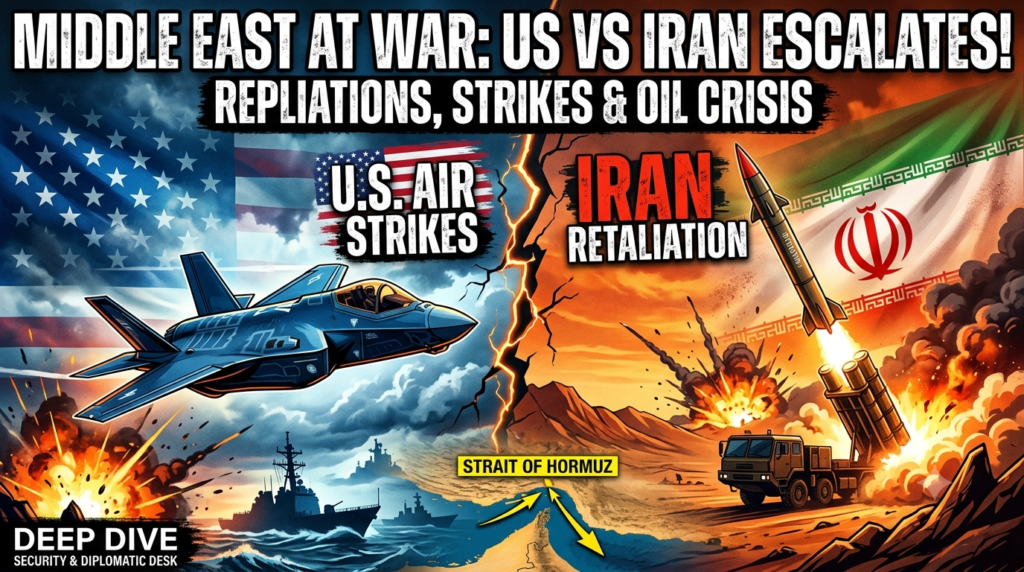
Military tensions between the United States and Iran have reached a critical point, following a series of retaliatory strikes and counter-strikes across West Asia. Despite international diplomatic efforts led by regional mediators, both nations remain locked in a high-stakes standoff centered on maritime access through the Strait of Hormuz and military installations across the Gulf region.
Key Developments on the Ground
- Targeted Aerial & Drone Strikes: U.S. Central Command (CENTCOM) has executed targeted air operations against Iran-aligned military infrastructure and coastal defense positions. In response, Iranian forces and affiliated regional networks have launched drone and ballistic missile counter-strikes targeting key logistical nodes and U.S. base locations across the Middle East.
- Strait of Hormuz Standoff: The strategic maritime passage responsible for transporting nearly 20% of the world’s petroleum supply remains heavily restricted. U.S. President Donald Trump warned that any continued disruption or targeting of commercial shipping vessels will draw severe strikes against critical Iranian infrastructure.
- Regional Airspace & Security Alerts: Defense networks in neighboring states—including Jordan, Iraq, Kuwait, and Bahrain—have interceptor units on high alert following multiple air defense engagements involving incoming drones and missiles.
Strategic Implications & Global Impact
                  +-----------------------------------------------+
                  |             CRISIS ESCALATION IMPACT           |
                  +-----------------------------------------------+
                                          |
          +-------------------------------+-------------------------------+
          |                                                               |
+-------------------+                                           +-------------------+
|  Maritime & Energy |                                           | Regional Security |
+-------------------+                                           +-------------------+
| • Strait of Hormuz choking point                               | • Airspace disruptions in Gulf states
| • Global crude price volatility                                | • High alert for regional bases
| • Supply chain insurance spikes                                | • Diplomatic talks in Islamabad
+-------------------+                                           +-------------------+
1. Energy Market Volatility
The lingering bottleneck in the Strait of Hormuz has sent global crude oil benchmark prices surging. Energy analysts warn that sustained disruptions could drive refined fuel prices higher across major economies, reigniting global inflationary pressures.
2. Fragile Diplomatic Mediation
Mediators, including regional stakeholders in Islamabad, continue working to reactivate structured ceasefire frameworks. However, Iranian military spokespersons maintain that forces remain on high alert, emphasizing that a binding peace agreement hinges on guaranteed sovereign rights and an immediate end to naval blockades.
3. Regional Commercial Trade Disruptions
Global shipping conglomerates have begun rerouting cargo around the Cape of Good Hope to avoid Gulf choke points. This shift has added up to 14 days to international shipping timelines and dramatically increased maritime insurance premiums for global trade vessels.
What Lies Ahead?
The global community continues to urge immediate restraint from both Washington and Tehran to prevent an all-out regional conflict. The key focal point for upcoming diplomatic summits will be establishing verifiable security guarantees along the Strait of Hormuz and securing a lasting ceasefire.