
1. Key Triggers & Causes
- Social Media Disputes: Most clashes stem from provocative posts, derogatory remarks, or hate speech targeting religious beliefs on platforms like Facebook and TikTok.
- Religious Processions: Tensions frequently spark during major religious festivals (such as Ram Navami, Hanuman Jayanti, or Muharram processions) over route permissions, playing loud music near places of worship, or throwing colors.
- Escalation of Local Altercations: Minor personal arguments or disputes between individuals from different backgrounds have quickly turned into broader communal standoffs due to misinformation.
2. Major Affected Regions
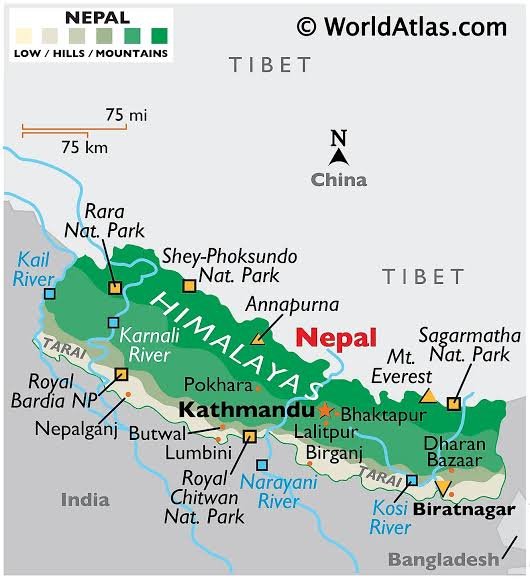
- Sunsari District (Inaruwa/Bhokraha Narsingh): Tensions led to clashes between groups, prompting the local administration to impose a strict curfew and ban public gatherings to prevent the spread of violence.
- Nepalgunj (Banke District): A major city near the Indian border, Nepalgunj saw violent protests, stone-pelting, and arson following a controversial social media post. Police had to use tear gas and enforce indefinite curfews to restore order.
- Sarlahi & Rautahat Districts: Similar communal friction occurred during festival rallies, resulting in minor injuries and temporary lockdowns in targeted municipalities.
3. Government and Police Response
- Curfews and Prohibitory Orders: Local administrations (headed by Chief District Officers) routinely deploy the Armed Police Force and enforce curfews in hotspot areas.
- Cyber Monitoring: Nepal Police have increased surveillance on digital platforms to trace and arrest individuals spreading hate speech or inciting violence.
- Peace Committees: Local authorities have organized dialogue sessions bringing together Hindu and Muslim community leaders, civil society members, and politicians to dispel rumors and promote reconciliation.
4. Current Status
While security forces have largely brought the situations under control, security remains heightened in vulnerable border districts. Government officials and civil society groups continue to appeal for calm, emphasizing Nepal’s long-standing tradition of multi-ethnic and multi-religious coexistence.