
Amid rising tensions in the Middle East, Iran has announced the reopening of the Strait of Hormuz, marking a significant development during the ongoing ceasefire efforts in the region. The move is being seen as a positive step toward reducing tensions and restoring stability in global trade routes.
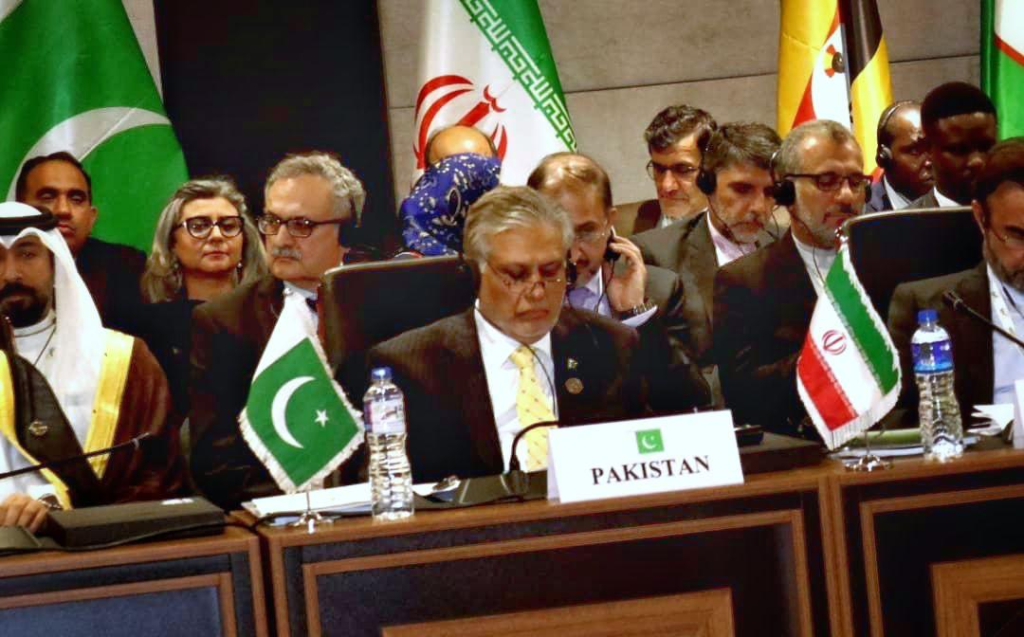
In this critical development, Pakistan has reportedly played an important diplomatic role. According to sources, Pakistan facilitated behind-the-scenes negotiations, helping to ease tensions between key stakeholders and contributing to the decision to reopen the strategic waterway.
The Strait of Hormuz is one of the most vital maritime routes in the world, through which a significant portion of global oil supply passes daily. Its closure had triggered concerns in international markets, leading to rising oil prices and disruptions in supply chains.
Iranian officials have confirmed that commercial vessels are now allowed to pass through the strait safely, signaling a gradual return to normalcy for global shipping and energy markets. The international community has welcomed this move as a constructive step toward stability.
Experts believe that Pakistan’s diplomatic engagement reflects its growing role as a regional mediator, promoting dialogue and peaceful resolution of conflicts. The country has consistently supported efforts aimed at maintaining regional peace and cooperation.
Conclusion
The reopening of the Strait of Hormuz by Iran, coupled with Pakistan’s diplomatic efforts, offers a hopeful sign for de-escalation in the region. If the ceasefire holds and dialogue continues, it could pave the way for long-term stability and economic recovery worldwide.