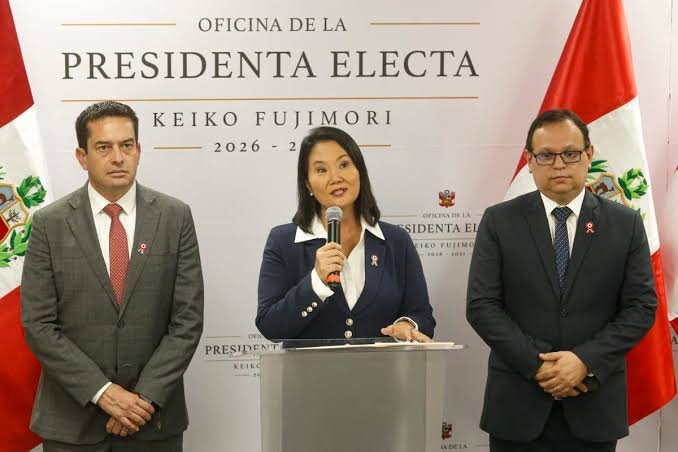

Keiko Fujimori has officially won the presidential runoff election in Peru, securing the country’s highest office on her fourth attempt. After weeks of high-stakes ballot counting and reviews of contested votes, Peru’s National Electoral Jury (JNE) officially certified her victory, marking a significant political turning point for the South American nation.
Here is a detailed breakdown of the election results, its significance, and what this “new chapter” means for Peru:
A Razor-Thin Victory
The election was one of the tightest in Peru’s history, highlighting a deeply polarized electorate.
- The Numbers: Fujimori, leading the conservative Fuerza Popular (Popular Force) party, won by a razor-thin margin of fewer than 50,000 votes out of more than 18 million ballots cast. She secured 50.14% of the vote against her left-wing challenger, congressman Roberto Sánchez of Together for Peru (Juntos por el Perú), who received 49.86%.
- The Turning Point: Early counts of domestic votes initially favored Sánchez. However, the tide turned when overseas ballots—traditionally leaning conservative and pro-business—were tallied, ultimately pushing Fujimori ahead.
- Official Declaration: Following weeks of administrative challenges and accusations of irregularities from the left regarding the foreign vote, the electoral body officially declared Fujimori the winner. She is scheduled to be sworn in on July 28 for a five-year term.
Why This Marks a “New Chapter”
Fujimori’s victory represents a major shift in both her personal political trajectory and Peru’s governance structure:
1. Breaking the Runoff Curse
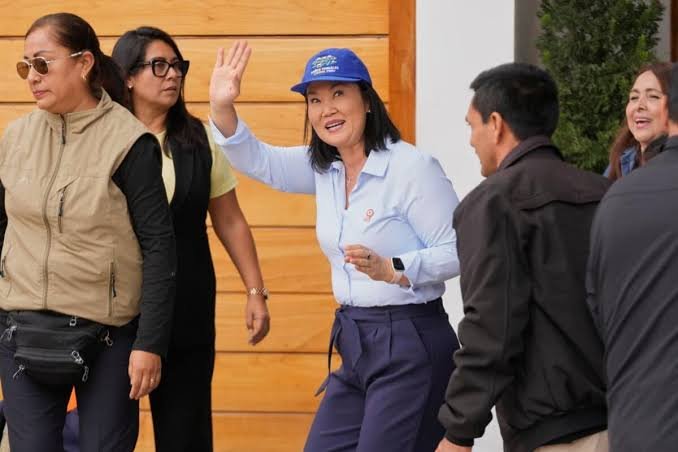
For over a decade, Keiko Fujimori has been the most dominant yet polarizing figure in Peruvian politics. She made it to the presidential runoffs in 2011, 2016, and 2021, losing all three by incredibly narrow margins. This fourth campaign finally broke that streak, fulfilling her long-held ambition to reach the presidency once held by her late father, Alberto Fujimori.
2. A Promise of “Order and Hope”
Peru has endured staggering political chaos, burning through nearly ten presidents in the last decade due to impeachments, resignations, and corruption scandals. Campaigning on a platform heavily focused on tackling surging violent crime, rising extortion, and economic stagnation, Fujimori promised a “strong hand” to restore state authority, echoing the tough-on-crime reputation of her father’s era.
3. Economic Predictability
Fujimori’s win signals a continuation of Peru’s market-led economic model, which has historically given the country strong macroeconomic growth and one of the region’s most stable currencies (the sol), despite its political volatility. Investors and business sectors welcomed her victory, as her opponent, Sánchez, had raised fears of radical economic shifts and state intervention.
4. A Restructured Congress
This election also marks Peru’s return to a bicameral legislature (consisting of a Senate and a Chamber of Deputies). Fujimori’s Fuerza Popular party emerged as a dominant force in both chambers. While they do not hold an outright majority, their strong presence is expected to reduce the paralyzing executive-legislative gridlock that plagued previous administrations.
The Looming Challenges
While Fujimori speaks of a fresh start, she inherits a profoundly fractured nation:
- Deep Polarization: The micro-margin of her victory means she lacks a sweeping democratic mandate. The country remains split not just ideologically, but geographically, with urban centers like Lima favoring her pro-business stance, while rural and Andean regions favor the left.
- The Fujimori Legacy: The “Fujimorismo” brand remains highly controversial. While millions credit her father with crushing the Shining Path insurgency in the 1990s, millions of others remember his authoritarian rule, human rights abuses, and corruption scandals. Managing this historical baggage while maintaining democratic norms will be her tightest tightrope walk.