
1. Ukraine’s Long-Range Campaign
Ukraine’s long-range strike strategy aims to degrade Russia’s economic capacity to sustain war, destroy military logistics, and bring the tangible impact of the conflict to Russian territory.
- Primary Targets:
- Energy Infrastructure: Ukrainian strike units have systematically targeted oil refineries, fuel depots, and processing plants (such as the Omsk, Kirishi, and Perm refineries) located up to 2,500 kilometers inside Russian territory to cut fuel supplies to front-line units and disrupt export revenue.
- Logistics & Warehouses: Attacks have expanded to major commercial and military supply hubs near Moscow, Leningrad, and Ryazan, including key distribution nodes.
- Military Airfields & Defense Plants: Deep strikes frequently target command posts, air bases housing tactical bombers, and weapons manufacturing facilities.
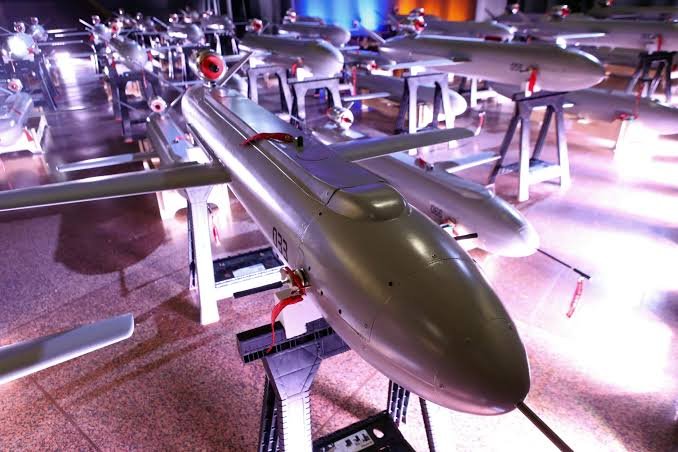
- Tactics & Platform Evolution: Ukraine regularly launches massed swarms of 200 to 300 long-range one-way attack drones per night (such as the Liutyi, Bober, and FP-1) to saturate Russian air defenses. These are often combined with electronic counter-measures and lower-altitude flight profiles to bypass detection.
2. Russia’s Combined Missile & Drone Barrages
Russia relies on massed, multi-vector strike salvos designed to overwhelm Ukrainian air defenses, exhaust interceptor stockpiles, and destroy strategic infrastructure across major cities.
- Primary Targets:
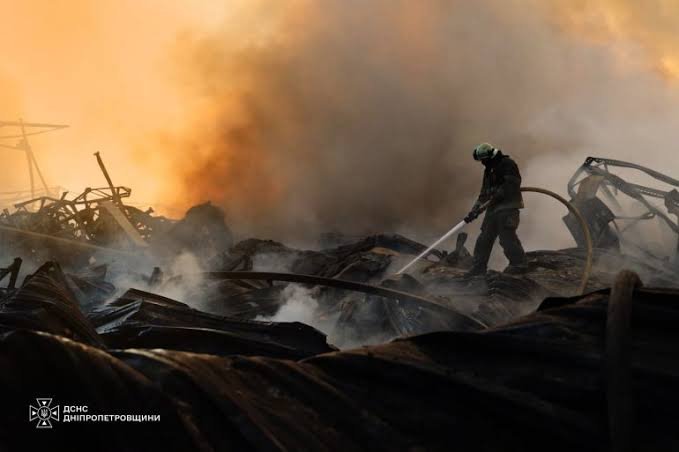
- Urban & Residential Infrastructure: Concentrated strikes target Ukraine’s capital, Kyiv, as well as regional centers including Kharkiv, Dnipro, Odesa, and Sumy.
- Energy & Power Grids: Thermal, hydro, and sub-station facilities are targeted to disrupt national power distribution and civilian basic utilities.
- Logistics & Defense Supply Chains: Rail hubs, repair depots, and military storage sites handling Western-supplied arms.
- Tactics & Weapons Systems: Russia utilizes a high-volume combination of Iranian-designed Shahed (Geran) long-range loitering munitions paired with Iskander-M ballistic missiles, Kinzhal hypersonic missiles, and air-launched cruise missiles (Kh-101/555). The rapid deployment of ballistic missiles gives air defense systems only minutes to react, significantly increasing interception complexity.
3. Civilian Toll and Humanitarian Impact
The reliance on long-range explosive weapons in populated areas continues to cause substantial civilian casualties and infrastructure destruction.
| Metric / Aspect | Ukraine | Russia / Occupied Territories |
| Primary Civilian Risk | Direct missile/glide bomb strikes on apartment blocks, public facilities, and grid outages. | Falling debris from intercepted drones, hits on logistics hubs, and border area strikes. |
| High-Risk Zones | Kyiv, Kharkiv, Sumy, Zaporizhzhia, Odesa, and frontline regions. | Moscow region, Krasnodar, Ryazan, Belgorod, and Crimea. |
| Humanitarian Challenges | Power grid instability, destruction of housing, and strained emergency services. | Disruption to local supply networks and regional fires at industrial hubs. |
The United Nations and human rights monitors have repeatedly warned that the frequent use of heavy munitions in urban areas creates severe long-term humanitarian hazards, displacing families and straining emergency first responders. Furthermore, electronic warfare (EW) jamming by both sides frequently forces incoming drones off course, causing unintended crash landings in residential zones.
4. Strategic and Defense Implications
- Air Defense Depletion: The sheer volume of incoming drones forces both militaries to expend high-value air defense interceptors (such as the Patriot, NASAMS, and S-400 systems) at an unsustainable rate, making ground-based mobile AAA (anti-aircraft artillery) and EW jamming critical lines of defense.
- Industrial War of Attrition: Success in long-range aerial warfare is dictated by manufacturing scale. Ukraine’s domestic drone production capacity has increased exponentially, while Russia continues to expand domestic manufacturing plants for long-range strike drones and ballistic missiles.